
Stay Alert, Stay Safe: Workplace Fatigue

Workplace fatigue affects employees across all industries. Characterized by persistent tiredness, reduced alertness, and decreased physical or mental performance, fatigue can compromise both individual well-being and overall workplace safety. While occasional tiredness is a normal esponse to physical or mental exertion, chronic fatigue can have serious consequences if left unaddressed.
Several factors contribute to workplace fatigue. Long working hours, high workloads, and inadequate rest breaks can quickly deplete energy levels. Irregular schedules like night shifts, or extended periods of repetitive work also disrupt the body’s natural circadian rhythms, leaving employees feeling drained.
Mental and emotional stress, such as tight deadlines, interpersonal conflicts, or workplace pressure, further compounds fatigue. Factors outside of work, such as poor sleep, health issues, or family responsibilities, can influence how rested an employee feels during the workday.
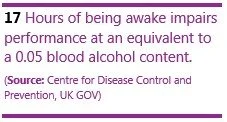
The impacts of workplace fatigue are significant. Employees experiencing fatigue are more prone to errors, slower reaction times, and lapses in concentration, which can lead to accidents, especially in high-risk industries like construction, manufacturing, and transport. Fatigue also affects decision-making, creativity, and interpersonal interactions, potentially straining team dynamics and productivity.
Over time, chronic fatigue contributes to burnout, decreased job satisfaction, and long-term health issues such as cardiovascular disease, obesity, and weakened immune function.
Addressing workplace fatigue requires a combination of personal and organizational strategies.
Individuals can manage fatigue by:
Prioritizing quality sleep
Maintaining a balanced diet
Staying hydrated
Exercising regularly
Taking micro-breaks during long tasks to recharge energy.
Managers can manage fatigue by:
Designing reasonable work schedules
Providing adequate rest breaks
Rotating demanding tasks
Promoting a workplace culture that recognizes the importance of mental and physical health.
Simple interventions, such as adjusting lighting, improving ventilation, or providing ergonomic workstations, can also help reduce physical strain and mental fatigue.
Ultimately, preventing and managing fatigue is not only a matter of employee well-being but also of workplace safety and efficiency. Organizations that proactively address fatigue demonstrate care for their staff and create an environment where productivity, focus, and morale can thrive. By recognizing the signs of fatigue early and implementing supportive measures, both employers and employees can ensure a healthier, safer, and more energized workplace.