
Critical Role of Supervisors
The Frontline of Safety Culture
Supervisors have a powerful and immediate influence on how safety is practised day to day. While policies and systems provide structure, it’s the behaviour of frontline leaders that determines whether these systems truly work on the ground.
Employees consistently model what they see. When supervisors wear PPE correctly, stop unsafe work, and consistently reinforce expectations, the message is clear: Safety is non‑negotiable. When leaders cut corners, teams follow that example.
Communicating for Safety
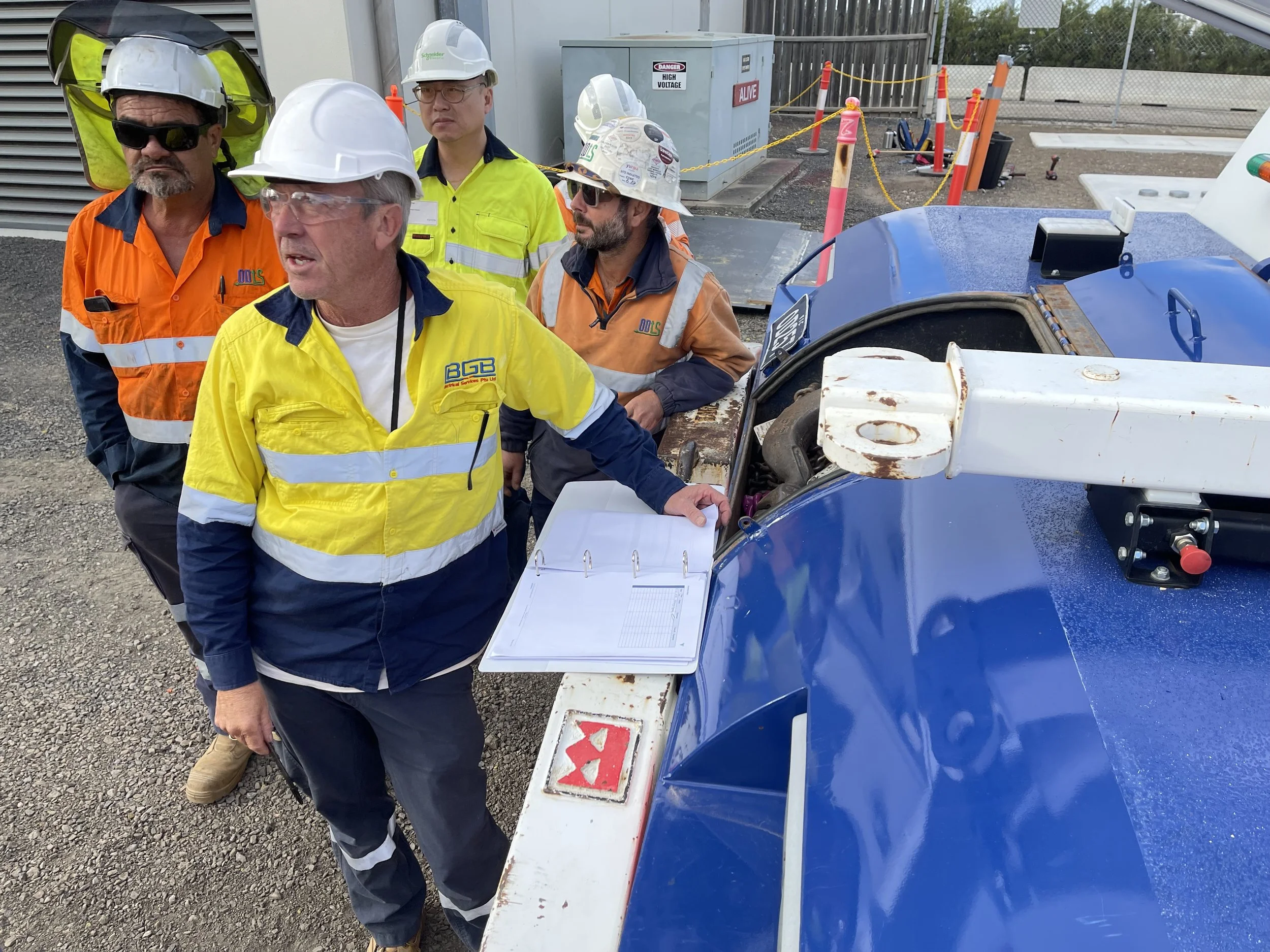
As the primary connection between workers and management, the way supervisors communicate shapes how engaged employees feel with safety.
Effective communication includes:
Regular team meetings / toolbox talks,
Clear explanations of the “why” behind rules,
Encouraging workers to speak up,
Actively listening to concerns,
Following up on reported hazards.
This helps to build a team that participates in safety, rather than simply complying.
Coaching Over Compliance
Correcting unsafe behaviour isn’t just about enforcing rules, it’s about building understanding. Effective supervisors coach their teams, turning mistakes into learning opportunities instead of blame.
Good coaching includes:
Exploring what happened and why?
Demonstrating safer alternatives,
Reinforcing positive behaviour,
Providing training or support.
This approach helps create lasting behavioural change.
Planning and Decision‑Making Influence Safety
Much of safety happens before work begins. Supervisors make decisions that directly impact worker safety, including staffing levels, scheduling, equipment selection, and task sequencing.
Pro-active supervisors:
Identify hazards early,
Ensure workers have the right skills and tools,
Adjust plans when conditions change,
Provide regular positive feedback,
Stop work if unsafe and find how to do it safely,
Escalate concerns when needed.
Their planning reduces risk and creates safe, predictable working conditions.
Leadership That Builds a Safety Culture
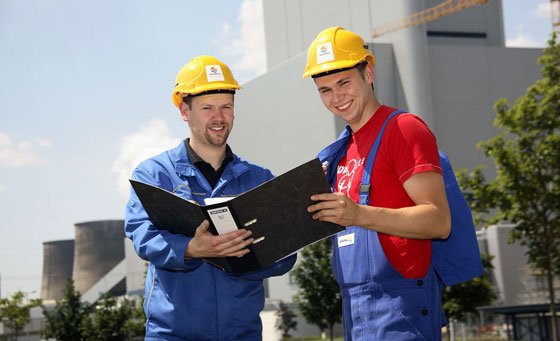
Supervisors shape the team’s mindset and set the tone for how seriously safety is taken. When leaders treat safety as a shared responsibility, employees become more willing to participate, ask questions, and raise concerns.
An effective supervisor:
Leads by example,
Sets clear expectations,
Holds people accountable respectfully,
Follows through on commitments.
This consistency builds trust and strengthens the overall safety culture.
Supervisors play a pivotal role in the workplace safety. Their actions, communication, and decision making directly influence how teams behave and how risks are managed. Investing in strong supervisory leadership is one of the most effective ways to create a safer, more resilient workplace.
If interested in building a strong safety culture in your business consider booking your key front-line leaders into our next 2-Day Safety Leadership Foundation Course.